
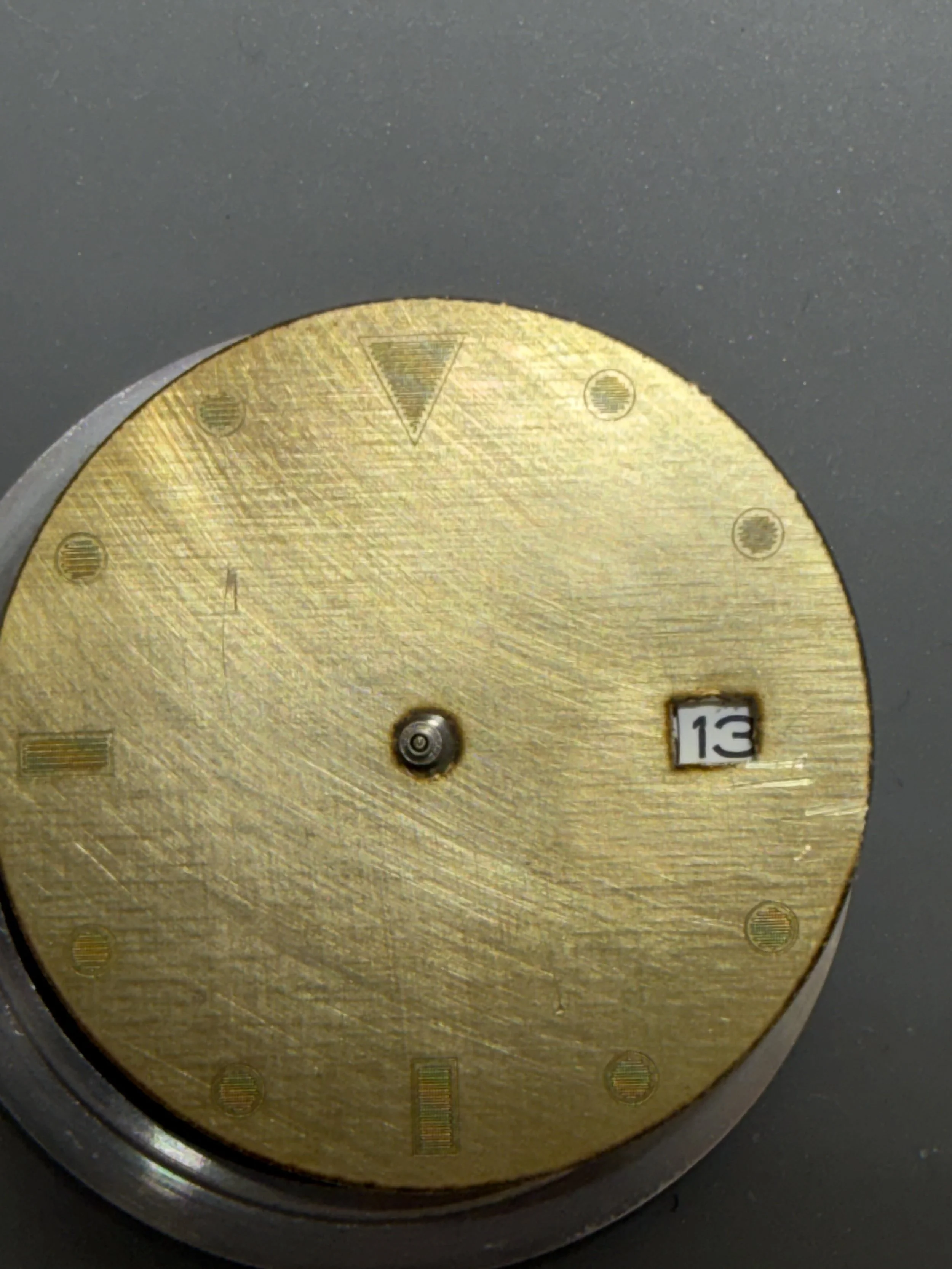
Rapid prototyping
Sunday night’s rapid prototyping session produced ten experimental dial variants while exploring cleaner cutting techniques and refining NH35 date window geometry. Along the way came a familiar reminder: changing too many variables at once makes it nearly impossible to understand what actually improved the result. A short reflection on iteration, process discipline, and troubleshooting laser-cut brass in a workshop suddenly deprived of music.
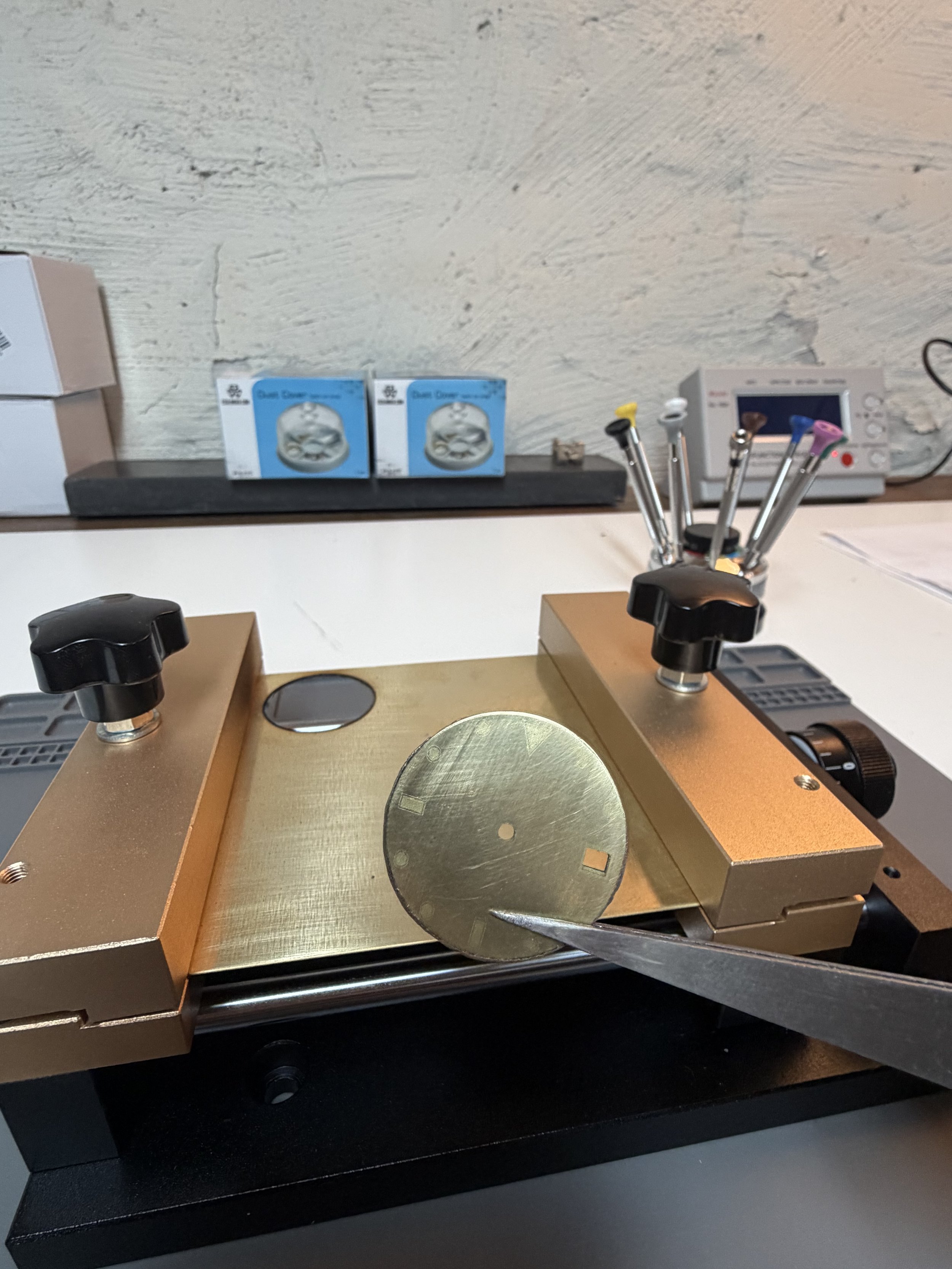
A dial emerges
A first brass dial blank, designed in LightBurn, cut in the workshop, and held in hand. It came out a bit burnt, but with a little sanding and plenty still to refine, it feels like a real first step.
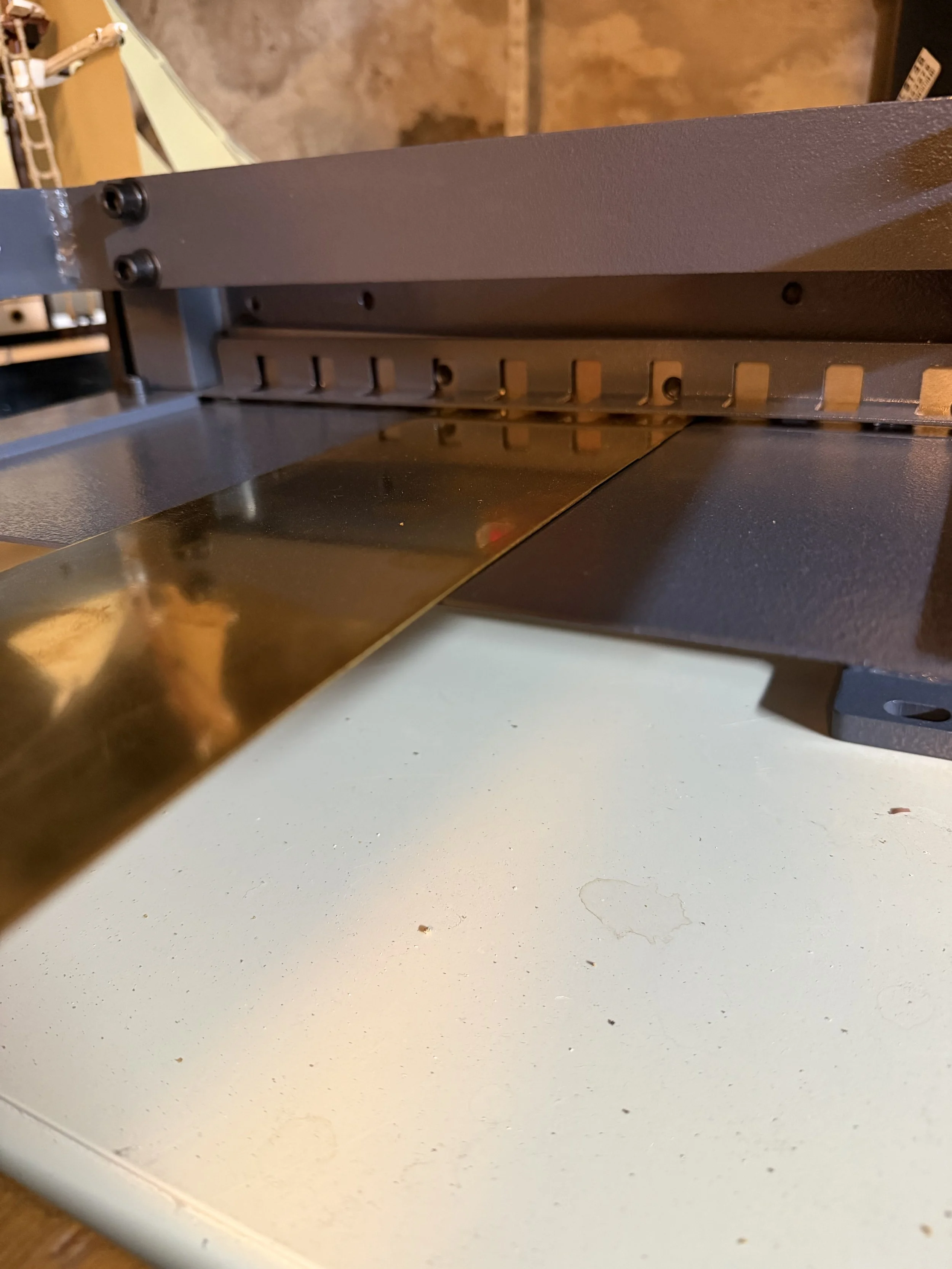
Workflow Design
Turning raw brass stock into dial prototypes has quickly revealed the difference between digital concepts and physical objects. The workflow is still rough around the edges, but slowly, the process is beginning to feel real.
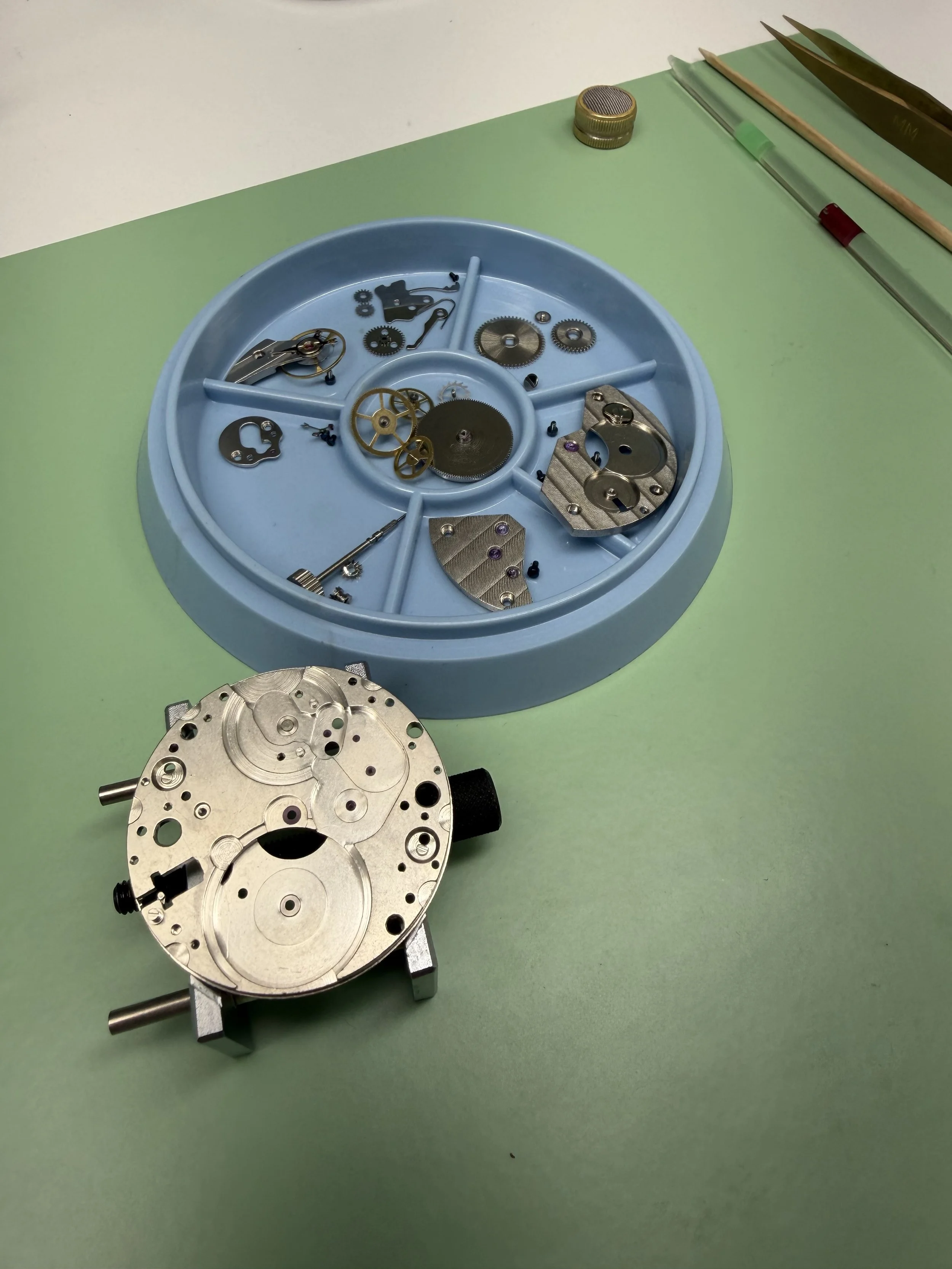
A Movement Laid Out Across a Bench (and the floor)
An introductory wristwatch servicing course reinforced something I’m learning repeatedly through this project: mechanical watches become far more impressive once they exist in pieces instead of fully assembled objects behind sapphire crystals.
Curiosity Requires a Workbench
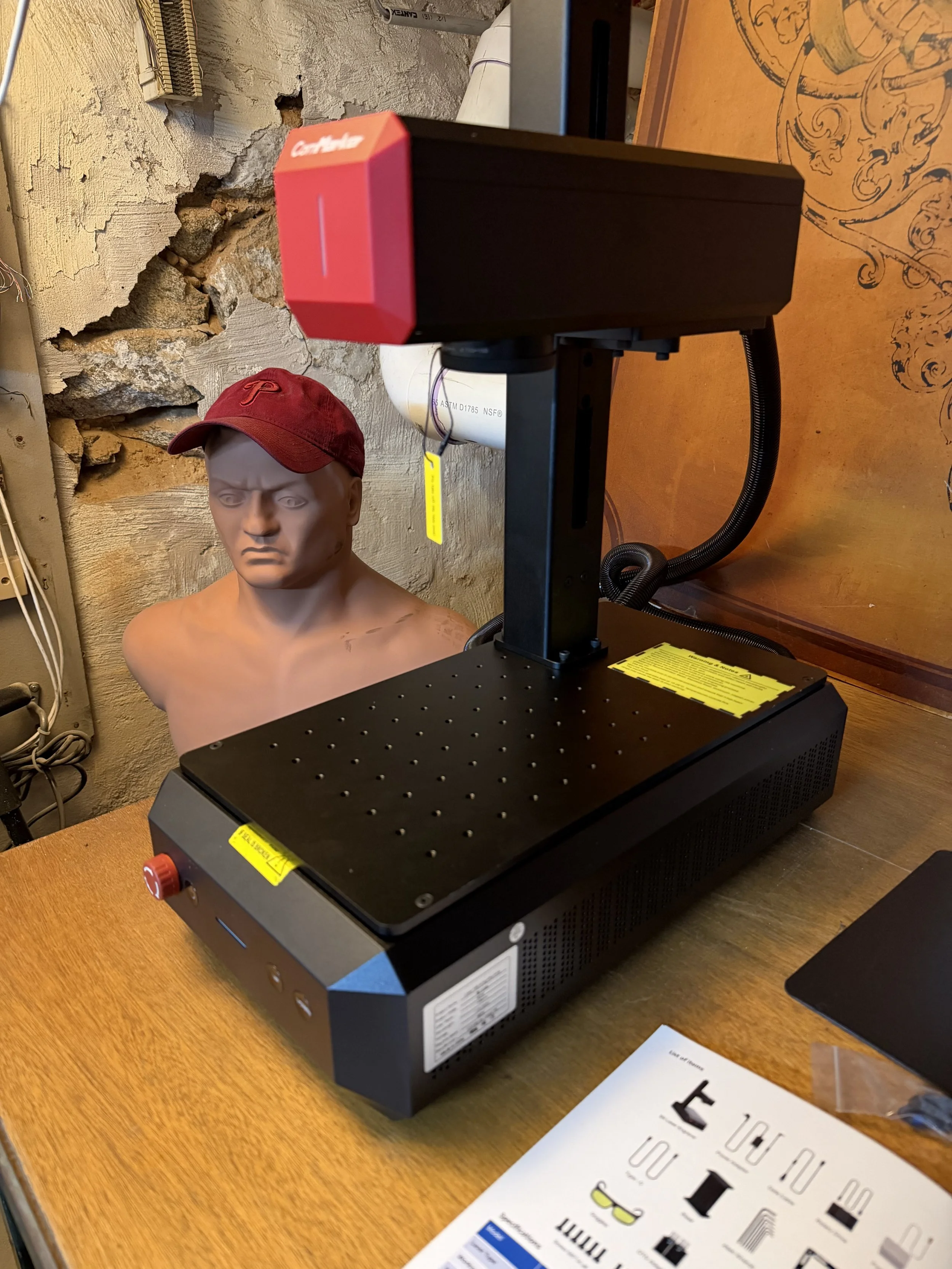
Pine Street Dial Works is being built: a slowly evolving basement workshop beneath an old Philadelphia rowhome. Plumbing pipes, stone walls, shipping boxes, and all.
The beginning
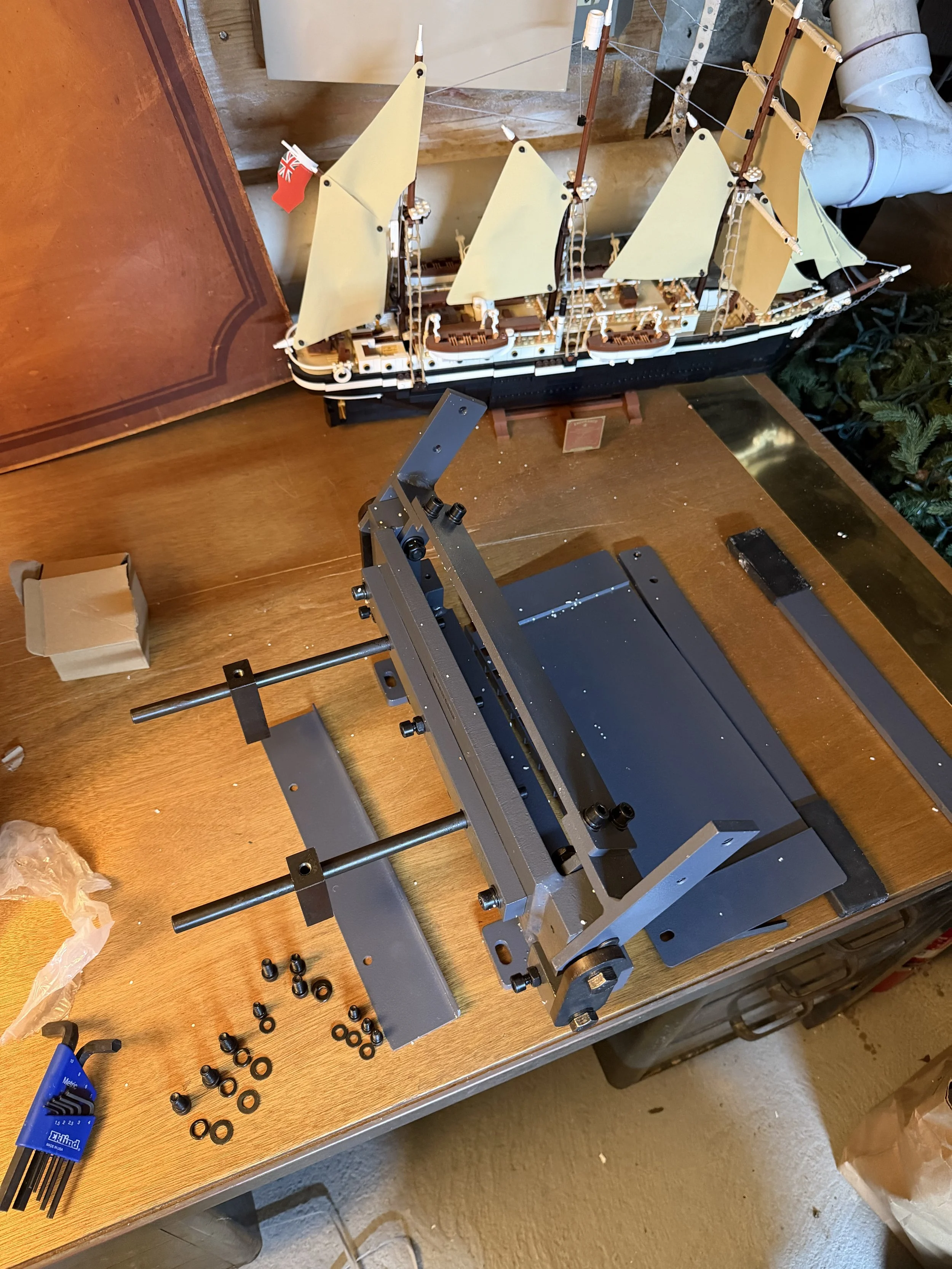
A father-and-son hobby building Seiko mods slowly evolved into a deeper curiosity about dial design, fabrication, and the craft behind mechanical watches. Pine Street Dial Works exists as a workshop journal documenting that learning process openly — one experiment, setback, and small improvement at a time.